Category Archives: Barley Silage

Barley silage is one of the primary forages used in dairy and beef production in Western Canada.

From Field to Feed

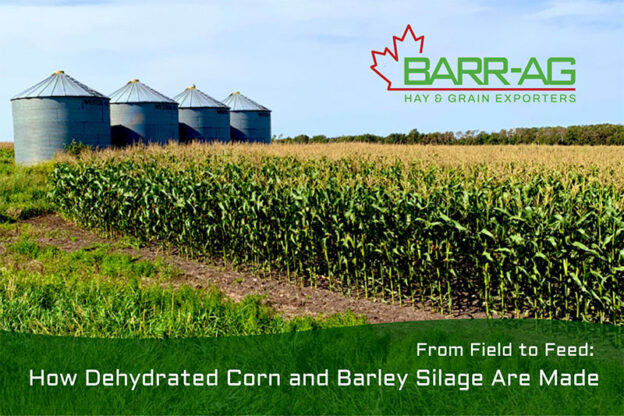
From Field to Feed: How Dehydrated Corn and Barley Silage Are Made

When people think about livestock feed, they often picture hay bales neatly stacked in a field. While hay remains an essential forage source, silage plays an equally important role in providing consistent, high-quality nutrition for beef and dairy operations.

At Barr-Ag, we take that one step further by producing dehydrated corn silage and dehydrated barley silage, combining traditional silage production with modern processing technology to create a stable, easy-to-handle forage product.

But how does silage go from a growing crop to a premium feed? Let’s take a closer look.

Step 1: Planting the Crop

The process begins long before harvest.

Corn and barley varieties are carefully selected based on their suitability for silage production, considering factors such as yield, digestibility, and nutritional value. Throughout the growing season, weather, soil conditions, and crop management all influence the final quality of the forage.

Healthy crops are the foundation of quality feed.

Step 2: Harvesting at the Right Time

Timing is everything when producing silage.

Unlike grain crops, silage is harvested as the entire plant. The goal is to capture the crop when it has reached the ideal balance between moisture, starch development, fibre digestibility, and overall nutritional value.

Harvesting too early can reduce energy content, while harvesting too late can make the crop more difficult to pack and ferment properly.

Experienced growers monitor crop maturity closely to ensure the best possible harvest window.

Step 3: Chopping the Crop

Once the crop reaches its ideal maturity, specialized forage harvesters chop the entire plant into small, uniform pieces.

The correct chop length helps improve packing density while creating a consistent feed that is easier for livestock to consume and digest.

Uniform particle size is also essential for successful fermentation.

Step 4: Building and Packing the Silage Pit

After chopping, the silage is transported to a bunker or pit where it is packed in thin layers using heavy equipment.

Proper packing removes oxygen from the forage, creating the anaerobic environment needed for fermentation.

This step is one of the most important in the entire process. Poor packing can lead to spoilage, heating, and nutrient loss.

Once the pit is filled, it is carefully sealed with plastic to keep oxygen out and protect the forage during storage.

Step 5: The Fermentation Process

Now nature takes over.

During fermentation, naturally occurring lactic acid bacteria convert plant sugars into organic acids. As the pH drops, the forage becomes stable and well preserved.

At Barr-Ag, our silage remains sealed for a minimum of 90 days, allowing fermentation to fully stabilize before it is opened for feeding or further processing.

This preservation process helps maintain valuable nutrients while reducing spoilage.

Step 6: Processing and Dehydration

Once fermentation is complete, Barr-Ag processes the silage using specialized dehydration equipment.

Removing moisture creates a product that is easier to transport, store, and handle while helping preserve the nutritional value s of the original crop.

The dehydration process also provides greater consistency from bale to bale and significantly extends shelf life compared to conventional silage.

Step 7: Baling and Storage

After dehydration, the silage is compressed into high-density bales for efficient storage and transportation.

The finished product is clean, uniform, and convenient to handle, whether it’s being delivered to local producers or shipped to customers around the world.

Consistent packaging also helps simplify inventory management and feeding operations.

Why Dehydrated Silage?

Traditional silage has long been valued for its excellent nutritional profile, but dehydrated silage offers additional advantages for many operations.

Some of the benefits include:

● Longer shelf life
● Easier transportation over long distances
● Reduced storage concerns
● Consistent moisture levels
● Convenient handling and feeding
● Excellent option for export markets

These advantages make dehydrated corn and barley silage an attractive solution for producers looking for reliable forage throughout the year.

Quality Starts in the Field

Producing premium silage isn’t the result of a single step—it’s the outcome of careful management throughout the entire process.

From selecting the right crop and harvesting at the optimal stage to proper fermentation, dehydration, and packaging, every stage contributes to the quality of the final product.

At Barr-Ag, we’re committed to producing forage products that deliver consistency, reliability, and nutritional value for livestock producers both across North America and around the world.

Whether you’re feeding beef cattle, dairy cows, or other livestock, understanding how silage is produced helps explain why quality begins long before the feed reaches the bunk.

Silage

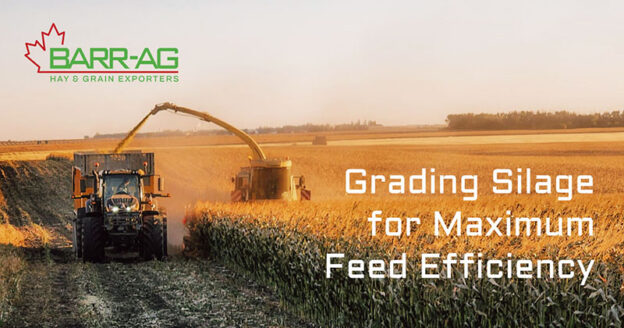
Grading Silage for Maximum Feed Efficiency

Silage is a high-moisture, fermented forage that plays a vital role in the diets of dairy cows, beef cattle, and feedlot animals. When harvested, stored, and fed properly, silage provides excellent energy, fiber, and digestibility. However, not all silage is created equal. Grading silage helps producers assess nutritional value, fermentation quality, and suitability for various livestock applications.

At Barr-Ag, we grow and supply premium barley and corn silage using sustainable practices and precision harvesting. All of our silage products are tested regularly through internationally recognized laboratories to ensure consistent nutritional quality and reliable performance for our customers across North America and abroad.

How Is Silage Evaluated?

Silage quality is evaluated based on both nutritional content and fermentation characteristics. It is determined through laboratory analysis that includes:

  • Dry Matter (DM%) – Indicates how much of the silage is actual nutrient content compared to water. For reference, ideal DM for corn silage is typically around 32 to 35% and for barley silage around 35 to 40%. Our dehydrated silage product has a DM of greater than 88%, ensuring a concentrated nutrient source.
  • Crude Protein (CP%) – Reflects protein levels. Barley silage typically ranges from 10–14%, while corn silage is lower (around 7–9%) but higher in energy.
  • Neutral Detergent Fiber (NDF%) – Impacts intake. Lower NDF generally improves consumption.
  • Starch (% of DM) – One of the most important measures in grain silage. Corn silage typically contains more than 30% starch (DM basis), while barley silage averages around 15–18% (DM basis).
  • Total Digestible Nutrients (TDN%) – Measures energy. Corn silage has a high TDN (70–74%) due to starch content. Barley silage ranges from 64–68%.
  • pH Level – Indicates fermentation quality. Ideal pH is 3.8–4.2. Higher pH may signal poor fermentation or spoilage.
  • Lactic Acid and Volatile Fatty Acids (VFAs) – Healthy fermentation results in high lactic acid and minimal butyric acid.

Factors That Influence Silage Quality

Several key factors affect the final quality and grade of silage:

  • Harvest Timing
    • Corn silage should be harvested at ⅓–½ milk line for optimal starch and digestibility.
    • Barley silage is best cut at soft dough stage for maximum nutritional value.
  • Chop Length
    A proper chop length (19mm to ¾ inches) ensures good compaction and minimizes sorting at the feed bunk.
  • Packing and Storage
    Properly packed and sealed silage minimizes oxygen exposure and encourages strong fermentation.
  • Moisture Level
    Moisture that’s too high leads to seepage and poor fermentation. Too dry, and it may not pack well.
  • Hybrid or Variety
    Some corn and barley varieties are bred specifically for silage and offer improved fiber digestibility or starch content.

Why Silage Quality Matters

Feeding high-quality silage results in:

  • Increased milk yield and butterfat in dairy cattle
  • Higher weight gains and feed efficiency in beef cattle
  • Improved animal health and fewer digestive problems
  • Reduced need for supplemental grain and protein

On the other hand, poor-quality silage can lead to:

  • Spoilage and feed refusal
  • Acidosis or digestive disorders· Acidosis or digestive disorders
  • Increased feed costs due to nutrient deficiencies

Matching the right quality of silage to your herd’s needs ensures your feed investment delivers the best return.

Barr-Ag’s Commitment to Silage Excellence

At Barr-Ag, we take forage seriously. Our barley and corn silage is carefully harvested, packed, and tested to ensure optimal feed value. We partner with internationally accredited laboratories to monitor key nutritional and fermentation metrics. This gives our customers confidence that every load meets the highest standards.

Whether you’re feeding dairy cows, finishing cattle, or looking for a reliable year-round forage supply, we’re here to deliver.

Partner with Barr-Ag for Reliable Silage Solutions

If you’re seeking consistent, nutrient-dense corn or barley silage that supports your livestock goals, Barr-Ag is your trusted supplier. Our knowledgeable team can help match your operation with the right forage and provide lab-tested assurance in every delivery.

Contact us today to learn more or request a quote.

Dehydrated Barley

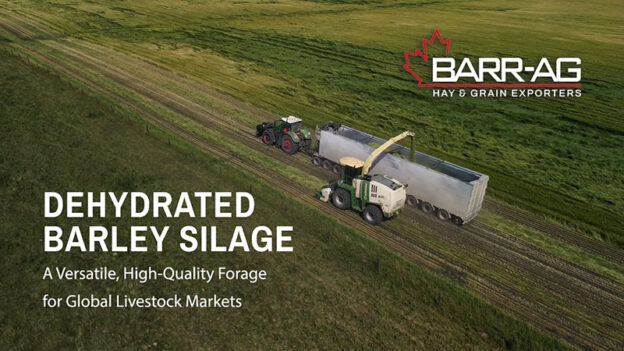
Barley Silage: A Versatile, High-Quality Forage for Global Livestock Markets

Barley silage is one of the primary forages used in dairy and beef production in Western Canada. It has been cultivated for decades and is well adapted to the local climate, continuing to play a central role in supporting animal health and performance. Barr-Ag Ltd., based in Alberta, Canada, is at the forefront of producing and exporting top-tier dehydrated Barley silage to meet the growing demands of both domestic and international markets.

Nutritional Advantages of Barley Silage

Barley silage offers a harmonious blend of energy and fiber, making it an excellent feed choice for ruminants. Its rapid starch fermentation rate compared to corn can provides a more synchronous release of energy and nitrogen, enhancing microbial nutrient assimilation in the rumen. This synchronization can lead to improved feed efficiency and animal performance.

Moreover, studies have shown that Barley silage can result in higher milk fat yields and production efficiency in lactating cows compared to some other forages. Its palatability ensures consistent intake, which is crucial for maintaining production levels in dairy and beef cattle.

Optimal Harvesting and Ensiling Practices

The quality of Barley silage is heavily influenced by the timing of harvest and the ensiling process. Harvesting Barley at the boot stage, when the plant is just about to head, ensures higher crude protein content and digestibility. Proper chopping, packing, and sealing during ensiling are essential to create anaerobic conditions that preserve the forage and enhance its nutritional value.

Barr-Ag’s Commitment to Quality and Global Distribution

Barr-Ag Ltd. specializes in producing high-quality, non-GMO Barley silage tailored to meet the specific needs of livestock producers. With one state-of-the-art facility in Alberta, Barr-Ag dehydrates, compresses and packages silage into various bale sizes, including: 

  • 35-40 kg mini bales  
  • 450 kg sleeve bales  

These packaging options cater to diverse customer requirements, ensuring ease of handling and storage.  

Strategically located near the eastern slopes of the Canadian Rocky Mountains, Barr-Ag benefits from clean air, rich soil, and a favorable climate, contributing to the production of superior forage products. The company adheres to stringent quality control measures and complies with international export standards, facilitating smooth shipments worldwide. 

Barr-Ag’s extensive experience in exporting forage products has established strong relationships with customers across the Middle East and Asia. Their expertise in logistics ensures efficient delivery through major ports, such as Vancouver for Asia-bound shipments.

Partner with Barr-Ag for Your Forage Needs

Choosing Barr-Ag means partnering with a trusted supplier committed to delivering consistent, high-quality Barley silage tailored to your livestock’s nutritional requirements. Whether you’re operating a dairy farm in Canada or managing beef cattle overseas, Barr-Ag’s expertise and dedication ensure you receive forage that supports animal health and productivity.

Contact Barr-Ag today to discuss your forage needs and discover how our premium Barley silage can benefit your operation.