Tag Archives: timothy hay

Canadian Forage

Canadian Forage: A Reliable Supply Option for European Livestock Producers

Europe’s 2026 summer has been a difficult one for agriculture. Persistent heat and a lack of rainfall across large parts of Western and Central Europe have affected crops, grasslands and forage availability.

The European Commission’s Joint Research Centre reports that grassland productivity and pasture availability have declined significantly in several regions, raising concerns about fodder supply. The areas most affected include France, southern Germany, northern and central Italy, Austria, Czechia, Slovakia, Hungary and western Romania.

The impact is already being felt by livestock producers. In the Czech Republic, for example, drought has significantly reduced feed crop production, with some farmers reporting substantial shortages of haylage and other feed crops.

Situations like this highlight the importance of having access to additional sources of forage and animal feed.

Looking Beyond Local Forage Supply

Local production will always be at the centre of livestock agriculture. However, when weather conditions affect yields or when additional volumes are needed, international suppliers can provide another option.

Canada is one of the world’s major agricultural-producing countries, with a large land base, established agricultural infrastructure and experience supplying forage products to international markets.

At Barr-Ag, we produce and export a broad range of Canadian forage and animal feed products, including hay, straw, dehydrated silage and pellets.

Our products include:

  • Alfalfa Hay
  • Timothy Hay
  • Mixed Hay
  • Wheat and Barley Straw
  • Dehydrated Corn Silage
  • Dehydrated Barley Silage
  • Alfalfa Pellets
  • Timothy Pellets

Different products serve different feeding requirements, giving customers the flexibility to source the type of forage that best fits their operation.

Alfalfa Hay

Alfalfa hay is an important forage for many dairy and livestock operations. It is valued for its nutritional content and is widely used in feeding programs around the world.

Canadian alfalfa is produced in a range of qualities and can be supplied in different bale formats depending on market and customer requirements.

Timothy Hay

Timothy hay is a widely used grass forage known for its fibre content and palatability.

It is used across a variety of livestock and animal feeding applications and is an established Canadian export product for international markets.

Mixed Hay

Mixed hay provides a versatile forage option consisting of a combination of grasses and legumes.

The exact composition can vary depending on the crop, growing conditions and production requirements, making mixed hay suitable for a variety of feeding programs.

Straw

Wheat and barley straw are used in both animal feeding and livestock bedding.

As a fibre source, straw can form part of a livestock ration, while its physical characteristics also make it a widely used bedding material for cattle, horses and other animals.

Dehydrated Corn Silage

Dehydrated corn silage is a different approach to supplying corn forage internationally.

Traditional corn silage is a high-moisture product and is generally produced and consumed relatively close to where it is grown. Its moisture content makes long-distance transportation and storage more challenging.

Through dehydration, we are able to produce a stable, low-moisture corn silage product that is suitable for storage and international transportation.

Our dehydrated corn silage typically contains approximately 8–10% moisture, with approximately 7–9% crude protein and 25–30% starch, although analysis can vary by crop and production year.

One of the biggest advantages of the dehydrated product is its year-round availability.

Rather than being limited to the traditional harvest and feeding season, dehydrated corn silage can be produced, stored and supplied throughout the year. This provides customers with a consistent product and a more predictable supply option.

Dehydrated Barley Silage

Dehydrated barley silage offers another forage option in a stable, low-moisture format.

Like dehydrated corn silage, it can be produced and supplied throughout the year, allowing customers to access a consistent product outside the traditional growing and harvest season.

The ability to store and transport dehydrated barley silage makes it particularly suitable for international markets where traditional fresh or high-moisture silage is difficult to move over long distances.

Alfalfa and Timothy Pellets

Pellets provide forage in a compact and easy-to-handle format.

Alfalfa pellets offer a convenient form of alfalfa forage for a variety of animal feeding applications, while timothy pellets provide a similar option for customers looking for a grass-based forage product.

Compared with traditional baled forage, pellets can offer advantages in handling, storage and transportation, depending on the customer’s feeding system and requirements.

Why Year-Round Availability Matters

The growing season naturally creates a degree of uncertainty for agricultural production.

When forage production is lower than expected, livestock producers and feed companies may need to source additional feed outside their usual market or earlier than planned.

This is one area where dehydrated forage products can offer an advantage.

Because dehydrated corn silage and dehydrated barley silage can be produced and stored for supply throughout the year, they are not dependent on immediate local harvest availability at the time a customer needs the product.

For international buyers, this also means having access to a forage product that is specifically suited to storage and containerized transportation.

From Canada to International Markets

International forage supply is about more than the product itself. Transportation and freight are an important part of the overall equation.

At Barr-Ag, our main international business is port-to-port container shipping. We work with freight providers and customers to arrange transportation from Canada to ports around the world.

Depending on the destination, we can also look at additional delivery options.

For selected destinations, we are able to offer delivery beyond the port and, in some cases, directly to the customer’s door. The availability and cost of these options depend on the destination, local transportation infrastructure and shipment requirements.

This allows us to look at different logistics solutions where appropriate, while our primary international business remains containerized port-to-port shipments.

A Broad Range of Canadian Forage Products

The current conditions in Europe are a reminder of how closely animal feed availability is connected to agricultural production and weather.

For livestock producers and feed companies, having relationships with suppliers in different agricultural regions can provide additional flexibility when circumstances change.

Canada offers significant agricultural production capacity and established export infrastructure, making it possible to supply a broad range of forage products to international markets.

At Barr-Ag, we combine several different product categories under one operation — from traditional baled forage and straw to pellets and dehydrated silage.

For customers looking for alfalfa hay, timothy hay, mixed hay, straw, pellets or dehydrated corn and barley silage, Canadian supply can provide another option when planning forage requirements.

Our dehydrated corn and barley silage add another dimension to that offering, with year-round production, consistent product format and suitability for international storage and transportation.

As European livestock producers and feed businesses navigate changing growing conditions, having access to reliable international forage sources can be an important part of planning ahead.

Barr-Ag supplies Canadian forage and animal feed products to international markets and works with customers to develop practical product and logistics solutions based on their destination and requirements.

Interested in learning more? Contact Barr-Ag to discuss our products, current availability and shipping options for your destination.
Match Forage Products to Your Livestock Goals

How to Match Forage Products to Your Livestock Goals for the Year Ahead

A new year is the perfect time to reassess and plan your feed strategy to support the health and performance of your livestock. Selecting the right forage, whether for dairy cows, beef cattle, sheep, goats, or horses, can make a significant difference in weight gain, milk production, reproduction, and overall animal wellbeing. At Barr-Ag Ltd., we offer a range of high-quality Canadian grown forage products, including Alfalfa, Timothy, Mixed Hay, Corn and Barley Silage, and Straw, suitable for farms both locally and around the world.

1. Understand Your Livestock Goals

Before choosing forage, identify the primary goals for each type of animal. Dairy producers may focus on maximizing milk yield and maintaining cow health during lactation, while beef operations prioritize steady weight gain and feed efficiency. Sheep and goats often require forage that supports growth and reproductive performance. Horses may have varying needs, from maintenance feeding to higher energy and protein requirements. Knowing these priorities will guide the selection of forage types, cuts, and blends.

2. Choose the Right Forage Type

  • Alfalfa: Rich in protein and energy, ideal for dairy cows, growing beef, and lactating goats. It is also commonly used for horses that require higher energy and protein levels, including performance horses, growing horses, lactating mares, and hard keepers. When fed appropriately, alfalfa supports milk production, muscle development, and overall growth.
  • Timothy: A high-fiber, lower-protein option, well suited for horses and adult ruminants needing maintenance feed without excessive energy intake.
  • Mixed Hay: Combines the benefits of legumes and grasses, making it a versatile option for operations with diverse livestock and balanced nutritional needs.
  • Corn and Barley Silage: High-energy forage used to support weight gain in beef cattle or to supplement dairy rations during peak production periods.
  • Straw: Primarily used for bedding or as a roughage filler. While low in nutritional value, it can play a role in ration balance when managed correctly.

3. Consider Cuts, Grades, and Blends

The nutritional value of forage varies with harvest timing, cutting method, and leaf-to-stem ratio. Early cut alfalfa typically offers higher protein and digestibility, while later cuts are more fibrous and better suited for maintenance rations. Mixed hay blends provide flexibility for farms managing multiple livestock types, and silage quality is influenced by moisture levels and proper storage practices. Evaluating your animals’ needs helps ensure the right match of cuts and blends.

4. Optimize for Animal Performance

The right forage program supports consistent performance throughout the year. Monitoring body condition, milk production, growth rates, and reproductive success allows you to fine-tune forage choices as conditions and livestock needs change. Thoughtful selection combined with good feed management helps ensure long-term herd health and productivity.

Start the Year Strong with a Custom Forage Plan

With Barr-Ag Ltd.’s premium Canadian-grown forage products, you can provide your livestock with the nutrition needed for optimal growth, production, and long-term health.

If you need an assessment of your forage requirements, connect with our team. We will work with you to select the right products for your specific livestock goals, feeding program, and budget. Whether you manage dairy, beef, horses, or mixed operations, we are here to help you get the most from your forage program.

Your Guide to Premium Alberta Hay Quality, Grades, and Use

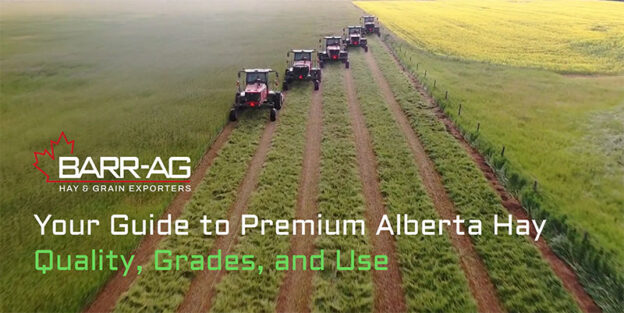
Your Guide to Premium Alberta Hay Quality, Grades, and Use

Hay is one of the most important feed sources for livestock, and its quality can make a significant difference in animal health, performance, and operational efficiency. Whether you’re feeding beef cattle, dairy cows, horses, or small ruminants, choosing the right grade of hay ensures you’re meeting your animals’ nutritional needs effectively.

At Barr-Ag, we specialize in the production and sale of premium Alberta-grown hay, including Timothy, Alfalfa, and mixed hay. Our products are grown in Alberta’s clean and dry climate, free from pesticides, and are tested regularly through internationally recognized laboratories to ensure consistent quality and nutritional value.

What Is Hay Grading?

Hay grading is the process of evaluating the quality of forage based on its nutritional content, digestibility, physical characteristics, and absence of contaminants. Grading allows buyers to match hay to specific livestock requirements and optimize feed value for the best results.

Unlike Alfalfa, which is typically graded using Relative Feed Value (RFV), grass and mixed hays (such as Timothy or Timothy-Alfalfa blends) are more accurately assessed using Relative Forage Quality (RFQ). RFQ includes fiber digestibility and total digestible nutrients (TDN), making it a better index for grasses and mixed forages.

Common Hay Grades and Uses

Hay is often categorized by nutrient content and overall quality into the following practical categories:

GradeTypical Characteristics
PremiumHigh leaf content, green color, excellent smell, no dust/mold
Low PremiumGreen to light green, moderate leaf content, slight weathering acceptable
#1Yellowing, coarser texture, some stem or maturity visible
#2Poor color, heavy stems, possible contaminants

Key Factors That Influence Hay Quality

Several factors impact the final grade and feeding value of hay:

Type of Hay

o Timothy hay: High in fiber, palatable

o Alfalfa hay: High in protein and energy

o Mixed hay: Offers a balance between energy and fiber.

Maturity at Harvest

Early cut hay is more nutritious and digestible. As plants mature, fiber content increases, reducing digestibility.

Leaf-to-Stem Ratio

Leaves contain most of the nutrients. A higher leaf content results in better forage quality.

Color and Aroma

Bright green color and a sweet, fresh smell indicate quality. Musty or brown hay suggests spoilage or poor curing.

Moisture Content

Ideal moisture levels (12–15%) prevent mold and leaf shatter. Too much moisture can lead to heating and spoilage.

Foreign Material

Dirt, weeds, mold, or dust lower nutritional value and may be harmful to animals.

Why Hay Quality Matters

Feeding low-quality hay can lead to:

o Reduced weight gain or milk production

o Increased need for supplements

o Digestive issues or respiratory concerns

o Lower feed intake and more waste

On the other hand, feeding properly graded, high-quality hay improves efficiency, animal health, and overall performance. Matching hay grade to the needs of your livestock helps reduce costs and improve results over time.

Barr-Ag’s Commitment to Premium Forage

At Barr-Ag, every bale is tested, sorted, and packaged to meet exact quality standards. We work with internationally accredited laboratories to test for crude protein (CP), fiber (ADF/NDF), moisture, and other key indicators.We offer:

o Clean, consistent Timothy and Timothy-mix hay

o Non-GMO Alfalfa hay with high protein content

o Custom blends to suit your livestock’s needs

Choose Barr-Ag for High-Quality Alberta Hay

Whether you’re feeding dairy cattle, horses, or beef stock, Barr-Ag is your trusted partner for dependable, export-grade hay. Our team can help you select the right grade for your specific needs and ensure smooth delivery anywhere in North America or abroad.

For specific dietary requirements, we recommend consulting your veterinarian.

Contact us today to request a quote, speak to our team, or learn more about our current inventory.

Canadian Timothy Hay

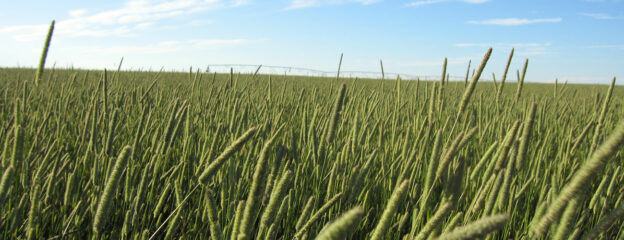
Canada’s forage industry is booming as Asian markets continue to provide strong demand for one of the most commonly-grown forage grasses in Canada, timothy hay. Timothy is perfectly suited for growing in cooler, more temperate climates like that of the Alberta province. As far as forage grasses go, timothy hay is one of the more palatable options and preferred by most livestock.

Barr-Ag grows timothy hay in the cool and clean environment of the Canadian Rockies. The area near the eastern slopes where Barr-Ag grows its timothy is known for producing the sweetest timothy hay anywhere on the planet. It is thought that this is the result of the outstanding growing environment created by the perfect altitude and seasonal changes for timothy hay.

Timothy is a perennial bunchgrass that is well-adapted to climates like those found in Western Canada. The fertile farmland there is paired with long daylight hours and plentiful sun; because of the exceptional environment for the growing season, Barr-Ag is able to grow and produce timothy hay of unsurpassed quality. This is very important as increased incomes and better standards of living in many areas of the Middle East and Asia are resulting in higher demands for animal-based protein and dairy. The rapidly-expanding dairy and beef industries in Asian countries rely on Canadian timothy hay due to limited land area for growing forage in their own countries. In fact, Canadian timothy hay exports are growing nearly exponentially and currently account for more than $100 million in trade on a yearly basis.

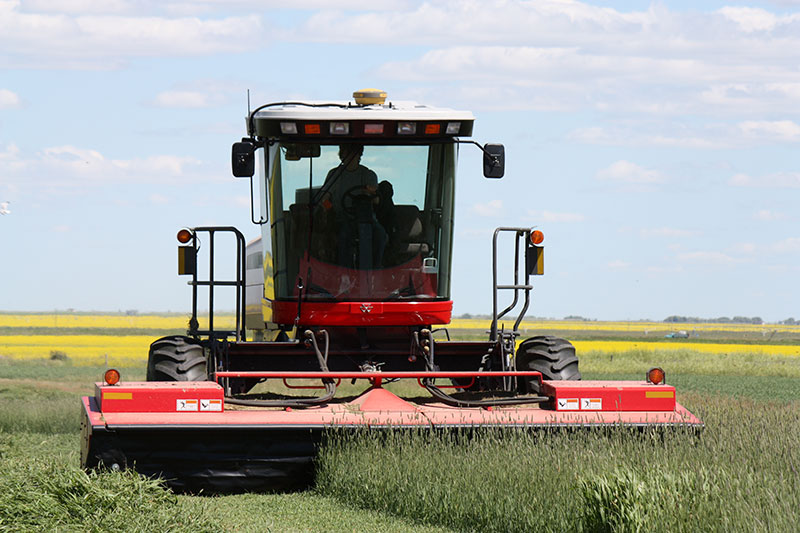
Barr-Ag produces dry-land timothy hay that is harvested once every season, and irrigated timothy that can be harvested twice every season. Nearly all hay produced by Barr-Ag comes from their farms, with the balance coming from trusted producers. Additional hay is procured only from producers who have been carefully vetted to ensure their adherence to Barr-Ag’s strict growing protocols and standards of quality control.

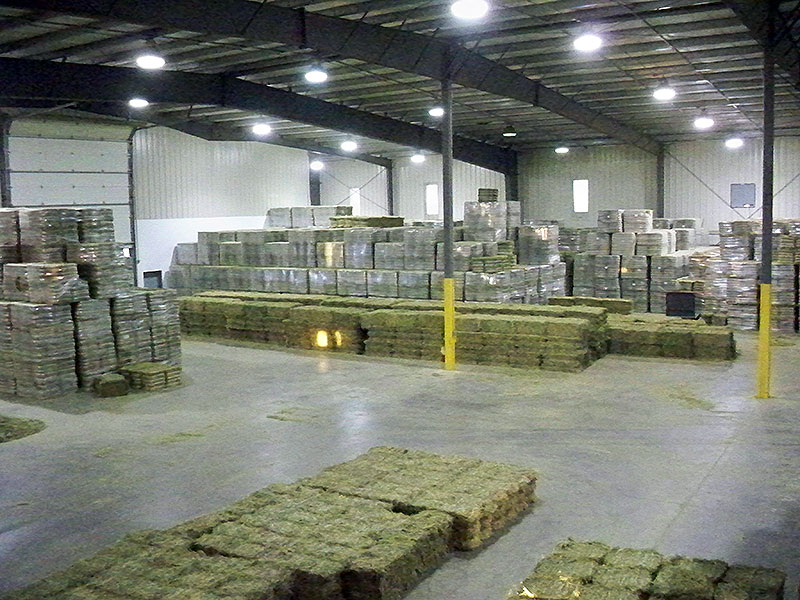
Barr-Ag makes shipping easy through thorough accommodation of customer needs. All shipping and customs documents are prepared for buyers to help ensure that every delivery goes smoothly. Shipments to other continents, as well as those heading into the US, are treated with the utmost care and are routed through various ports to keep shipping time to a minimum. Various shipping options are offered by Barr-Ag, including cost and freight (CNF) and freight on board (FOB); container yard (CY) shipping is also available.

Contact Barr Ag to get more information on any or our crops including Alfalfa, Timothy, Mixed Hay, Canadian Grains and Pulse crops.

Timothy Seed

Timothy seed is most produced in Western Canada, specifically Alberta and Manitoba.  Although much of the product is used throughout North America, some varieties are grown and shipped to international markets.  Timothy hay readily produces the seed and it can be harvested for seed as well as for forage.

The price of timothy seed is affected by the supply of seed producers in western Canada and the market demand.  International demand for Canadian timothy seed comes mostly from the USA and European countries.  Seed prices are also affected by the yield of timothy hay produced and sold for forage.  In years where overall hay production for forage was low due to weather conditions or other factors, the fields can still be harvested for the seed.

Timothy Seed in the Marketplace

Growers of Canadian timothy hay and seed have several options for marketing their crops.  Canadian growers can choose to sell into the cash market or grow under contract from an international buyer.  Alberta Agriculture and Rural Development mentions two options for contracting timothy seed: forward priced or production contracts.

Forward pricing is when the grower is contracted to grow and deliver a certain amount and grade of seed at a specific date.  Depending on the contract, the seller could pay the shipping and handling costs.  Then the seed company will pay a certain price depending on the quality and grade of timothy seed.

A production contract is signed between a grower and seed company when the grower agrees to produce a specific variety of seed from a certain growing area.  A specific price is set, but if the seed does not meet the quality as outlined in the contract upon delivery the price to the grower can be reduced.  Most production contracts are for certified production.  That means that a field inspection is completed and the timothy seed is registered and certified.  One benefit to Canadian growers entering into a production contract is that they are guaranteed a minimum price for their crop, offering a small amount of protection in a sometimes unpredictable marketplace.

Varieties of Timothy Seed

There are many varieties of timothy seed on the marketplace.  The most common variety grown by Canadian producers is Climax, which was developed by Agriculture and Agri-Food Canada.  Varieties that are more commonly exported to Europe are usually grown under production contract with seed companies.

Here is a list of available timothy seed varieties grown in Western Canada:  Alma, Basho, Bottnia II, Bounty, Champ, Climax, Comtal, Hokuo, Itasca, Rasant, Richmond, Tiiti, Tiller, and Timfor.

Important Factors for Growing Timothy Seed

Field selection is very important and must meet a number of requirements.  The field must be a certain distant from other fields growing different timothy varieties and that are free of perennial weeds.  Timothy hay is tolerant to flooding so it will actually grow well in a poorly drained field.  It’s also important to know the history of herbicides previously used on the field and if any remaining residues will affect the crop.

Timothy is a small seed and must be planted shallow into a firm seedbed at about two pounds of seed per acre.

Establishing stand, row spacing, and fertility will help growers decide on in-crop herbicides and pesticides.  Timothy hay is a very sensitive crop and herbicide selection must be done considering the weeds present, the amount of stress the crop is already under, stage of the timothy and rotation of herbicides.

Fortunately, well established timothy stands are not affected by insect pests.  Newer stands might could see grasshoppers, wireworm or cutworms most likely because these pests were already in the field when it was planted.  Keeping a close eye on moisture levels will help the new crop tolerate damage created by feeding insects.


Sources: 

http://www.brettyoung.ca/images/file/BY_Seed%20Prod%20Guide.pdf

http://www1.agric.gov.ab.ca/$department/deptdocs.nsf/all/agdex8696?opendocument

http://seedgrowers.ca/seed-growers/regulations/