


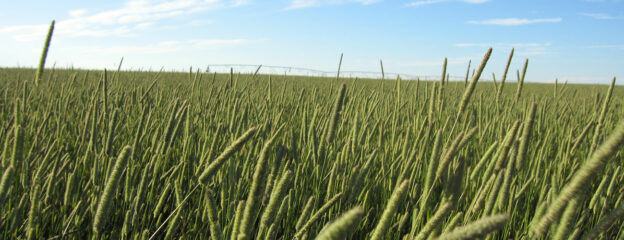
Canada’s forage industry is booming as Asian markets continue to provide strong demand for one of the most commonly-grown forage grasses in Canada, timothy hay. Timothy is perfectly suited for growing in cooler, more temperate climates like that of the Alberta province. As far as forage grasses go, timothy hay is one of the more palatable options and preferred by most livestock.
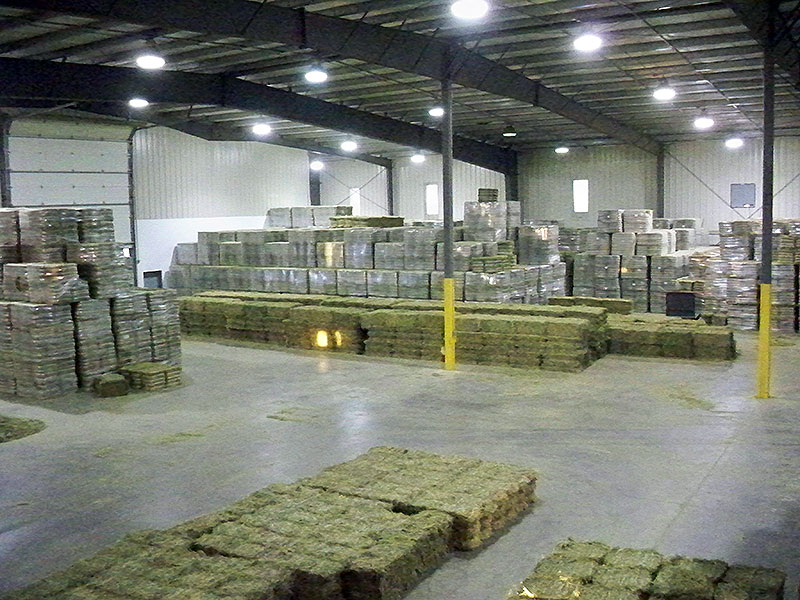
Barr-Ag grows timothy hay in the cool and clean environment of the Canadian Rockies. The area near the eastern slopes where Barr-Ag grows its timothy is known for producing the sweetest timothy hay anywhere on the planet. It is thought that this is the result of the outstanding growing environment created by the perfect altitude and seasonal changes for timothy hay.
Timothy is a perennial bunchgrass that is well-adapted to climates like those found in Western Canada. The fertile farmland there is paired with long daylight hours and plentiful sun; because of the exceptional environment for the growing season, Barr-Ag is able to grow and produce timothy hay of unsurpassed quality. This is very important as increased incomes and better standards of living in many areas of the Middle East and Asia are resulting in higher demands for animal-based protein and dairy. The rapidly-expanding dairy and beef industries in Asian countries rely on Canadian timothy hay due to limited land area for growing forage in their own countries. In fact, Canadian timothy hay exports are growing nearly exponentially and currently account for more than $100 million in trade on a yearly basis.
Barr-Ag produces dry-land timothy hay that is harvested once every season, and irrigated timothy that can be harvested twice every season. Nearly all hay produced by Barr-Ag comes from their farms, with the balance coming from trusted producers. Additional hay is procured only from producers who have been carefully vetted to ensure their adherence to Barr-Ag’s strict growing protocols and standards of quality control.
Barr-Ag makes shipping easy through thorough accommodation of customer needs. All shipping and customs documents are prepared for buyers to help ensure that every delivery goes smoothly. Shipments to other continents, as well as those heading into the US, are treated with the utmost care and are routed through various ports to keep shipping time to a minimum. Various shipping options are offered by Barr-Ag, including cost and freight (CNF) and freight on board (FOB); container yard (CY) shipping is also available.
Contact Barr Ag to get more information on any or our crops including Alfalfa, Timothy, Mixed Hay, Canadian Grains and Pulse crops.